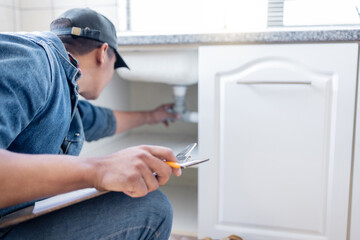
A plumbing problem can turn into a major headache if not addressed in a timely fashion. From dripping faucets to sudden water bill increases, there are many reasons you should call a plumber right away.
Some tasks are easy enough for homeowners to tackle themselves, but DIY projects like installing new fixtures or rerouting pipes require a comprehensive understanding of building codes and permits. Knowing when to call a professional will protect your home from costly repairs or water damage. Visit https://jensenplumbingllc.com for more details.
Leaky Faucets
A leaky faucet might seem like an insignificant problem at first, but it can quickly drive up your water bill and cause other problems throughout your home. Over time, a constant drip can damage your fixtures and even lead to mold growth if the leak is severe enough to get behind cabinets.
The good news is that most homeowners can fix a leaky faucet themselves. The first step is to turn off your water supply valves under the sink to stop the flow of water. Next, you’ll want to take a look at the various components of your faucet to identify what is causing the leak. Common causes include worn-out washers, corroded valve seats, or damaged O-rings. Once you have a clear understanding of the issue, you can purchase the necessary parts and make the repair yourself.
It’s important to note that some repairs are better left to a professional, especially if you have limited plumbing experience. Installing a new sink, shower, or tub, or running new water lines require knowledge of plumbing codes, proper tool usage, and may even require a permit. It’s also best to leave major remodeling projects to licensed professionals to ensure your home is safe and the work is done correctly.
If you’re unsure whether to tackle a project yourself, it’s always best to call a plumber for an assessment and quote. They can give you advice and recommendations based on your unique situation, and help you save money by avoiding costly mistakes.
If you’re tackling a DIY plumbing job, it’s a good idea to have a few basic tools on hand. These include a screwdriver (flathead or Phillips, depending on your faucet type), a wrench, and plumber’s tape (or Teflon tape) to wrap around pipe threads. Having spare washers, O-rings, and cartridges can also speed up the repair process.
Clogged Drains
With the rise of DIY culture, many homeowners have taken it upon themselves to roll up their sleeves and tackle a variety of home repair tasks. While there’s nothing wrong with that, sometimes it pays to know when it is best to call a professional.
Clogged drains are one of the most common reasons to call a plumber. These pesky issues can result in slow drainage, water back-up, and even structural damage to your home. However, not all clogs are created equal. Some can be easily fixed with a plunger or a simple drain snake, while others require more advanced professional equipment to clear.
Minor drain clogs are often caused by hair, soap scum, food debris, or other foreign objects. These can usually be resolved with a plunger or chemical drain cleaner. If these methods don’t work, or if you notice foul odors coming from a specific drain, it’s time to call a plumber.
Sewage back-up is another serious plumbing issue that requires immediate attention. This can be caused by a blockage in the sewer line, or it may be a sign of a broken pipe somewhere along your home’s plumbing lines. Professionals will have the proper tools and training to safely diagnose and fix this type of problem without damaging your home’s plumbing infrastructure.
Dripping faucets can waste hundreds of gallons of water each year and cause costly damage to your home’s fixtures. They also make a loud, annoying sound that can quickly drive you crazy. If you can’t fix a leaky faucet by tightening the valve, it’s time to call a professional.
Water stains on ceilings, walls, or floors may indicate a major plumbing issue. Left untreated, it can lead to mold growth and expensive repairs. Professional plumbers have the experience and specialized equipment to identify and resolve these issues quickly.
Installing new plumbing fixtures or rerouting pipes as part of a renovation is another task that’s better left to the pros. This type of project requires a thorough understanding of your home’s plumbing system and must comply with local building codes. Professional plumbers are also able to ensure that all connections are secure and sealed properly, preventing future leaks or water damage.
Running Toilets
Whether you are the type of person that just likes to handle home repairs yourself or you are a master at taking on DIY projects, there are some problems that can only be fixed by a professional. Knowing when to call a plumber for a running toilet, a clogged shower head, or a sewer backup can save you time, money, and stress.
When you hear a continuous running sound, the problem could be as simple as a stuck flapper that needs to be replaced or it could be as complex as a faulty fill valve, broken water heater, or damaged drain pipe. A plumber can easily diagnose the issue and make the necessary repairs to keep your bathroom functional.
A running toilet may seem minor and tempting to just jiggle the handle or keep putting off the repair, but this behavior can quickly add up to thousands of dollars in wasted water and energy. Most professional toilet repairs take about 30-60 minutes and cost $150-300, which you will likely make back in water bill savings within a year.
Other common toilet-related issues that require immediate professional attention include bubbling or gurgling noises, which can indicate a blockage in the vent stack or sewer line. This can lead to wastewater backing up into your home, causing a health hazard and significant property damage. Plumbers have specialized equipment and training to safely and quickly diagnose and fix these types of issues.
Frozen pipes also require the attention of a professional plumber. When water freezes inside a pipe, it expands and puts pressure on the surrounding material, which can cause it to crack or break. This can cause extensive water damage to your home and requires the services of a plumber with the right tools and knowledge to properly repair the problem.
A sewage backup is an emergency that requires the immediate attention of a professional plumber. This is due to the fact that sewage can contain harmful bacteria and chemicals, which can lead to serious illness and even death for household members exposed to it over an extended period of time. The most important thing to remember when choosing a plumber is to choose one that prioritizes customer service and communication. This can ensure that you receive the highest quality of repairs, as well as a positive overall experience.
Water Heater
With the internet offering countless DIY tutorials for nearly every household task, it can be tempting to roll up your sleeves and tackle plumbing repairs on your own. However, some problems are best left to professionals. A water heater is a major component of any home, and when it’s not functioning properly it can cause significant damage. Licensed plumbers are equipped to troubleshoot issues with water heaters and determine whether a repair or replacement is necessary. If you’re experiencing water leaks, popping noises or odors (like rotten eggs), these could be signs of sediment buildup, a failing component or even bacterial growth that needs to be addressed immediately.
Leaking water heaters can lead to costly damage inside walls and under floors, so don’t delay – call a plumber! Additionally, if your water heater isn’t producing hot water, this may indicate that it’s nearing the end of its life or is undersized. Professional plumbers can help you choose the right water heater for your home and install it safely to ensure longevity.